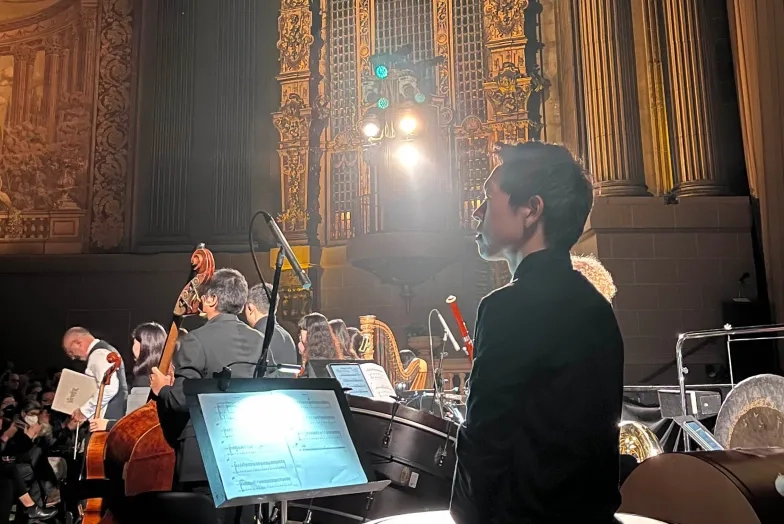
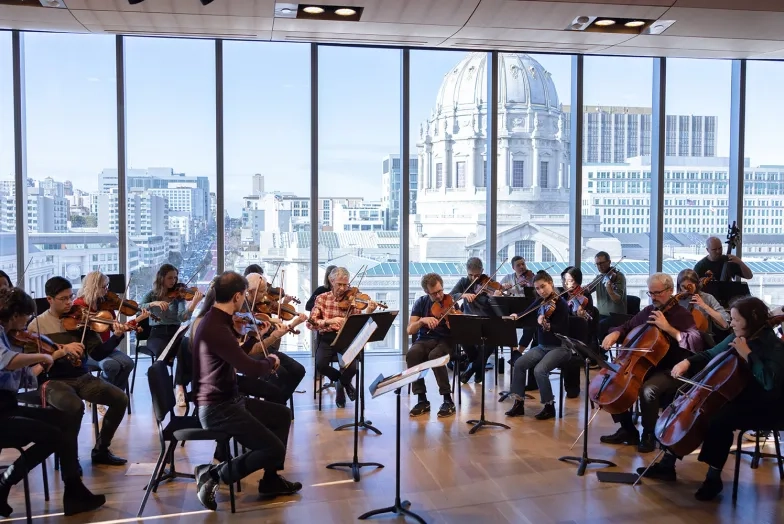
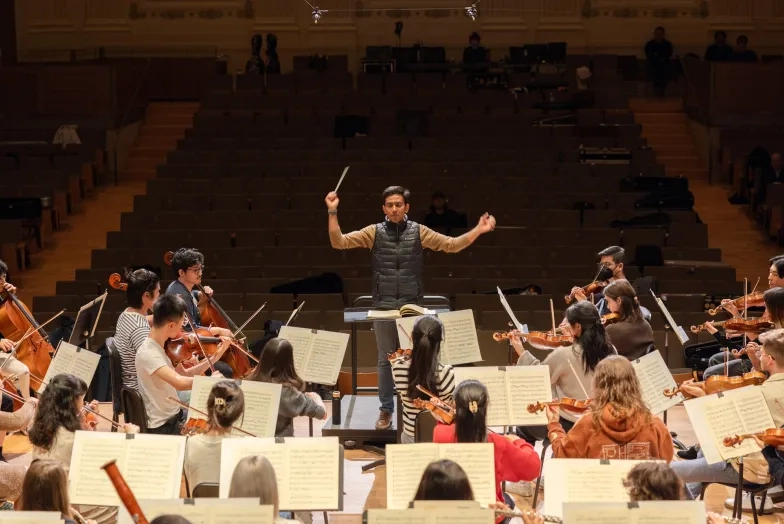
The screen may have been silent, but the applause was thunderous for members of the SFCM Orchestra after they performed the original score for the 1932 silent movie Vampyr to a sold-out audience of 1,400 as part of the San Francisco Silent Film Festival. …
Woodwinds
Voice
Music History and Literature
winter term
One of SFCM's defining projects, Winter Term lets SFCM students step outside of their traditional track at the Conservatory to explore unique projects going far beyond the scope of a "normal" curriculum. This year's crop of classes offers more than 47 …
"You must have a plan before you play, and rhetorics of performance must be a centerpiece of that plan: how to use your body to create the most compelling and truthful presentation of a work. It's not just about playing the notes 'properly' and relying …
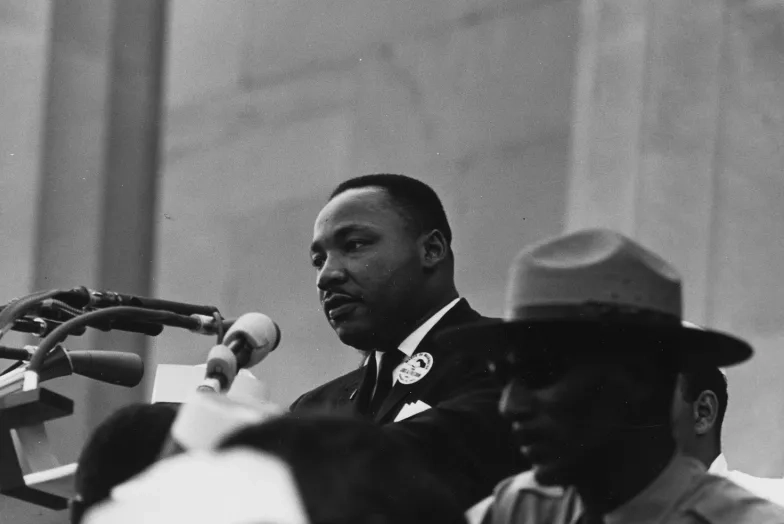
Part of Dr. Martin Luther King Jr.'s incredible legacy is the inspiration he provided to the decades of musicians who lived and worked during and after King's lifetime. Honoring that in 2024, SFCM's Executive Director of Roots, Jazz, and American Music, …
Welcome, applicants and guests! We are excited to welcome you to SFCM for audition days! Please visit the new Live Audition page for full details about audition days and resources. Live Audition page Building Locations & Walking Map We have two …
Composition
Technology and Applied Composition
Technology and Applied Composition
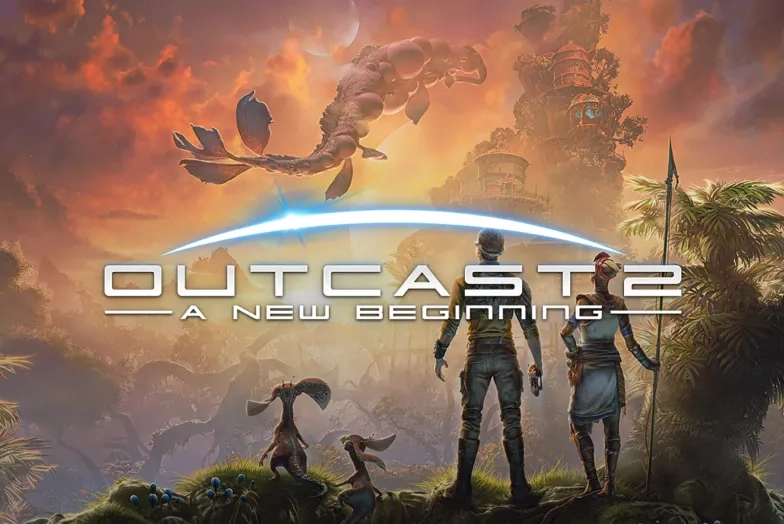
Twenty-five years later, one of the first 3D open-world video games ever made is getting a sequel, and it has major SFCM musical talent behind it. SFCM Technology and Applied Composition (TAC) professor Lennie Moore is the lead composer behind Outcast: …
Technology and Applied Composition
emerging black composers project
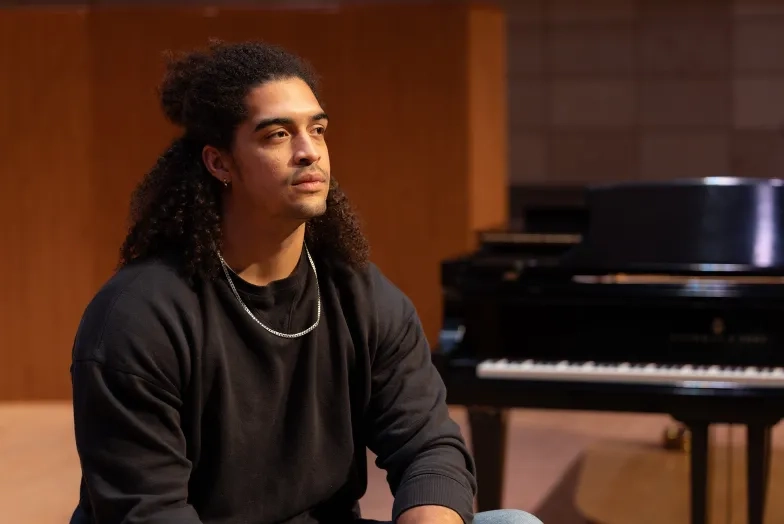
Xavier Muzik knows his music—just don't try and label it. "Genre is tired, it's not for me," Muzik jokes of his musical style. "I feel like when people ask me what type of music I write, I say concert music, only because that's the setting that it's in," …
Simon James ' studio reunions may need their own airline soon. Four recent grads who studied with the SFCM Strings Chair celebrated the end of 2023 with new jobs in symphonies across the country. Sydney Hartwick, who graduated with a Professional Studies …
Viola
Technology and Applied Composition
Piano
Voice
Cello
News Story
2023 was another exciting year for SFCM, its students, and faculty, bringing a host of exciting events, competition wins, and collaborations to the Conservatory. From visiting artists, new lauded faculty members and a first-time recording project with …
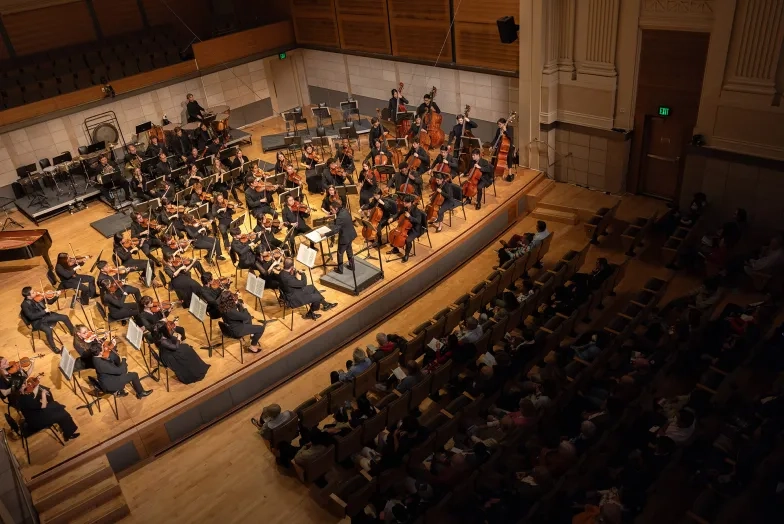
Pre-College alum Vinay Parameswaran returned to SFCM for the last orchestra performance of the fall semester, sharing his experience since his graduation with students both on and off the podium. Parameswaran led the SFCM Orchestra in Rossini's Overture …
SFCM's recurring Sony Project brought some GRAMMY-nominated friends into the studio this fall: Quartet San Francisco. Jeremy Cohen, violinist and leader of the three-time-nominated group, says that he met Technology and Applied Composition (TAC) faculty …
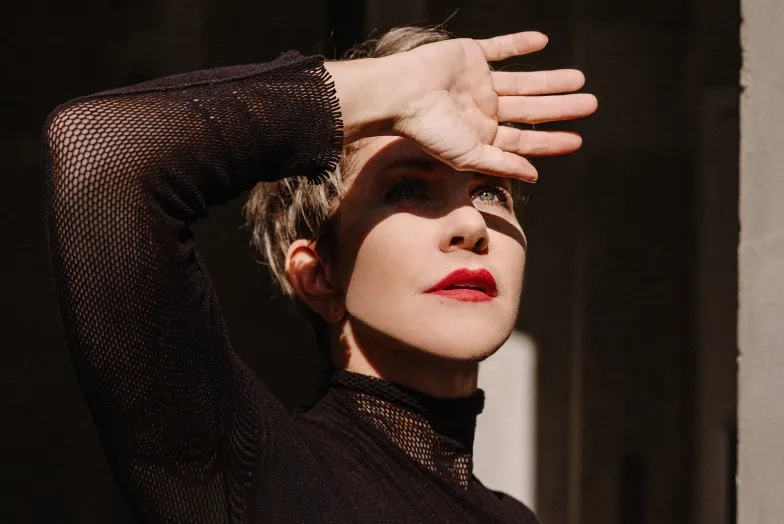
Critically acclaimed and world-renowned singer Joyce DiDonato—and her “nothing less than 24-carat gold [voice],” per the New York Times —will be headlining SFCM's annual fundraising celebration January 16, 2024. The performance salutes the generous …
Violin
Brass
Technology and Applied Composition
Piano
Roots, Jazz, and American Music
Voice
performances
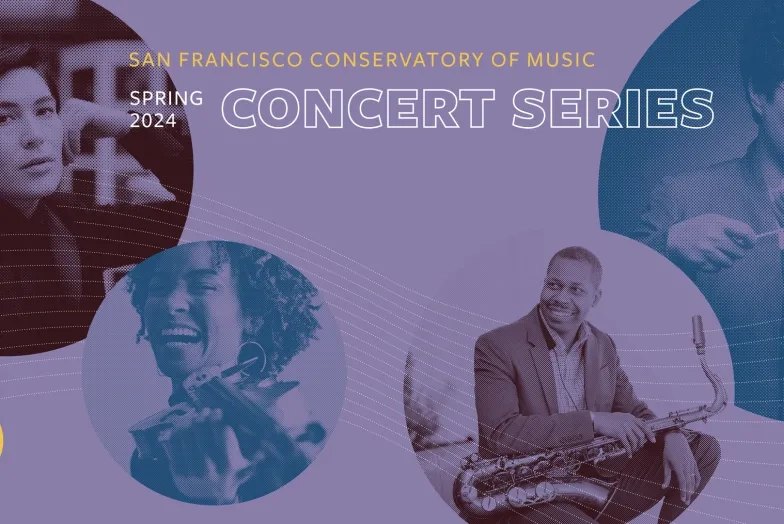
As we welcome a new year, the San Francisco Conservatory of Music (SFCM) is announcing its spring 2024 concert series, which includes three SFCM Orchestra performances, collaborations with distinguished visiting artists, as well as faculty and student …
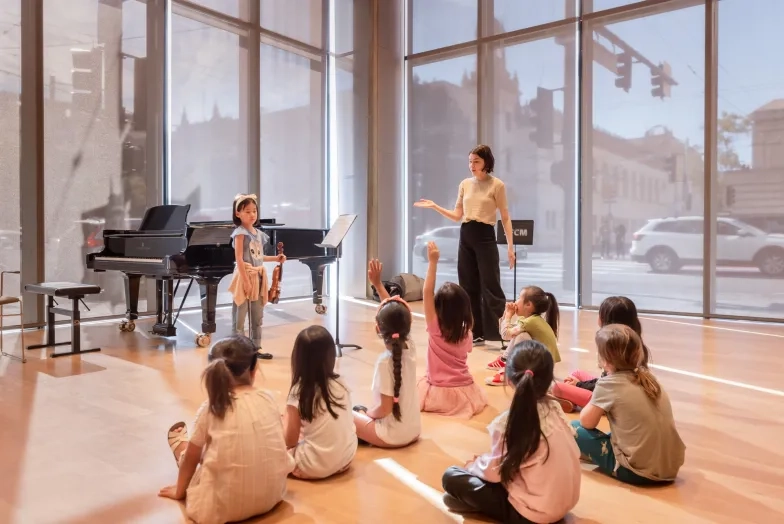
SFCM is focused on educating musicians of all ages, and nowhere is that more apparent than in its thriving Early Childhood and Pre-College programs. "SFCM is committed to ensuring that young students can receive a strong musical foundation that will set …
Composition
Technology and Applied Composition
Guitar
Clarinet
Harp
Voice
summer programs
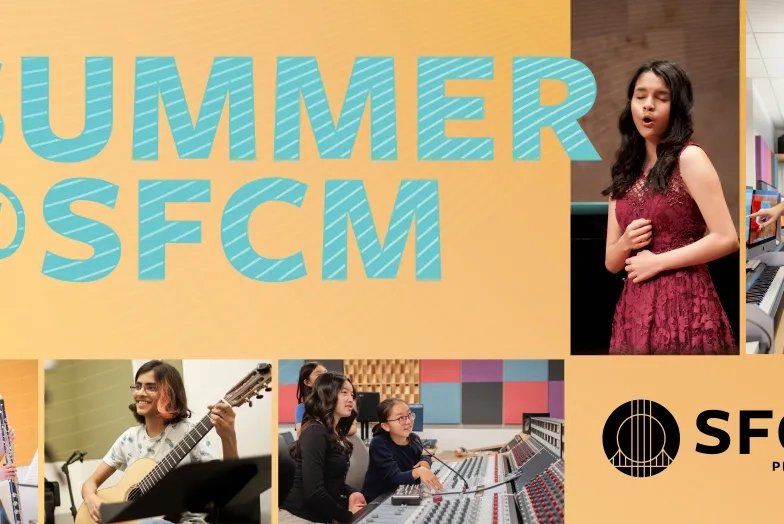
The San Francisco Conservatory of Music invites applications from aspiring young artists to live, learn, and create music in the heart of San Francisco’s cultural district. This year's unique summer programs include Voice, Technology and Applied …
An SFCM graduate has won a major composition award. Aleksandra Vrebalov has won the 2024 University of Louisville Grawemeyer Award in Music Composition for Missa Supratext, a nontraditional choral work for string quartet and girls’ chorus. The work’s …
A weeklong, seminar-style immersive experience for Arts Leaders of today and tomorrow, hosted at the San Francisco Conservatory of Music and guided by thought leaders and taste makers across a wide range of disciplines within our field. When: Tuesday, May …
For these alumni, their time at SFCM took them in three unique different directions: the SF Opera Orchestra, the world of New York cabaret, and quite literally up in the air. Cellist Evan Kahn ('18), won the Principal Cello position with San Francisco …
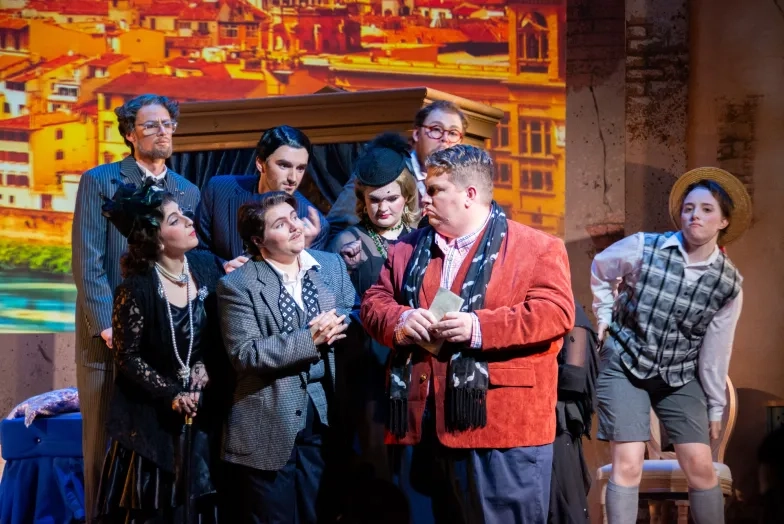
For SFCM's Musical and Managing Director of Opera, Curt Pajer , the fall 2023 opera performance meant keeping students on their toes. "The tempo in these pieces changes in almost every bar," he says, "so the singers can't ever really go on autopilot—not …
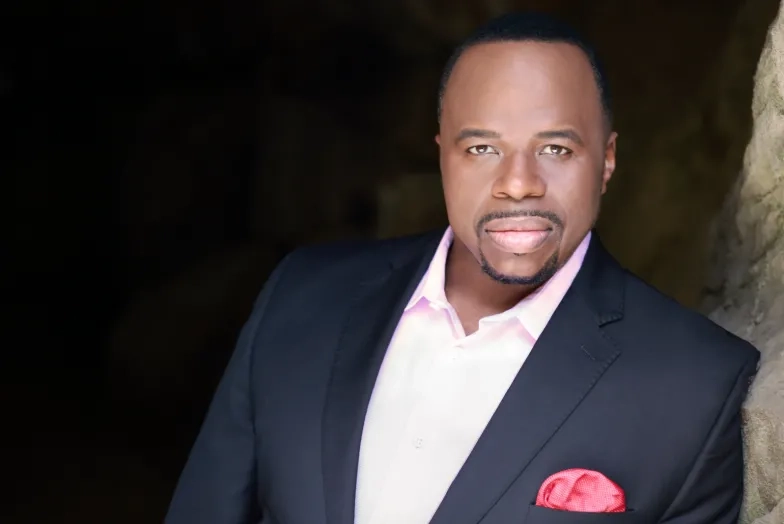
Recognized globally for his "rich, powerful voice that commands the stage," baritone Lester Lynch has established a place in the classical music world as one of the most in-demand artists of the 21st century. He'll bring those unique skills to SFCM in …